…
For the recent SpotOn NYC discussion held on 13. December 2012 a number of articles were published discussing the role of DIY Bio / DIY Science for outreach and democratization of science, enabled by tinkerers, amateur astronomers, enablers, as well as educators interested in this field.
“Scientific research has a reputation for being expensive, requiring fancy [...]
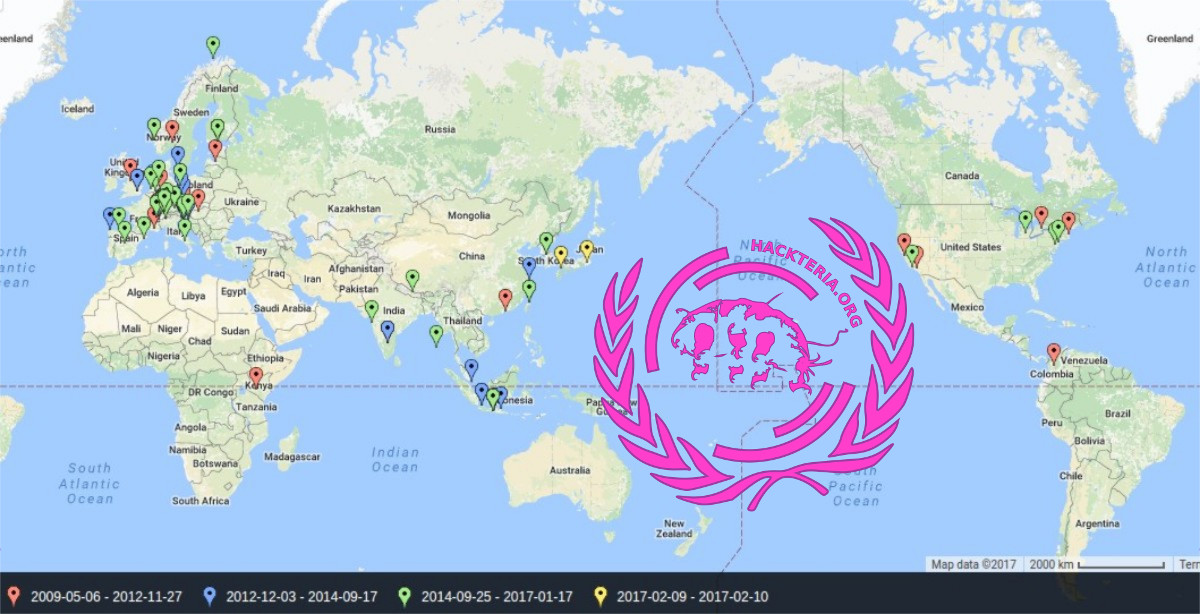
Being invited to the Point-of-Care Diagnostics Workshop in Nairobi, Kenya, we had a unique opportunity to present various activities around the hackteria framework and related activities in the field of biohacking, bioart, DIYbio. Very interesting speakers both from Kenya and internationally presented research prototype for low-cost diagnostics to be applied specifically for developing countries and [...]
Lectures, Saturday 14. April 2012
After an evening of molten cheese eating-frenzy, we continue into the night with a series of spontaneous un-conference like lectures on topics choosen by the people present.
Participants:
Marc Dusseiller (host)
Sachiko Hirosue
Urs Gaudenz, GaudiLabs
Denisa Kera, DIYbio Singapore, Foodhackerspaces.org, “fMRI scans & DNA data”
Alejo Duque (maybe remote ?… didn’t work…)
Effi Tanner, Esotronics, “Why [...]
If you are looking for some inspirations on simple workshop ideas to do with kids, we found this great resource of experiments by Arvind Gupta, “The best thing a child can do with a toy is break it !”. They also host a highly inspiring and large list of great books, articles and hard to [...]
NanoŠmano vs. wetPONG – Experiences in Outreach and Education at the BioNanoInterface
Marc R. Dusseiller 1,2 , Erik Reimhult 3, Špela Petrič ,1,4,8, Gorazd Planinšič 5, Bengt Sjölén 1,6, Urs Gaudenz 1,7, Jurij Krpan 8
1. International Hackteria Society, Switzerland
2. School for Lifesciences, FHNW, Switzerland
3. Dep of Nanobiotechnology, BOKU Wien, Austria
4. Institue of Biochemistry, Faculty of Medicine, [...]
We are now in the final stage of HackteriaLab2011, which we have called the Reflection. In Kunstraum Walcheturm in Zurich we are staging an exhibition, workshops and a series of presentations and discussions in order to share with the public the techniques, ideas and experiences we have gained over the past few days at L’ARC [...]
First of all, bioelectronix must be distinguished from bioelectronics; bioelectronics is the emerging science of biomedical technology centred around such devices as ‘lab on a chip’ and implantable neural interfaces. Complex and expensive technologies from the closely guarded and secret world of cutting edge scientific research. Bioelectronix, on the other hand, is the appropriation and development by artists of certain aspects of these technologies in an (generally) open-source and (generally) do-it-yourself environment. Relatively cheap and simple technologies which can be shared, improved and distributed through an open network of users and enthusiasts.